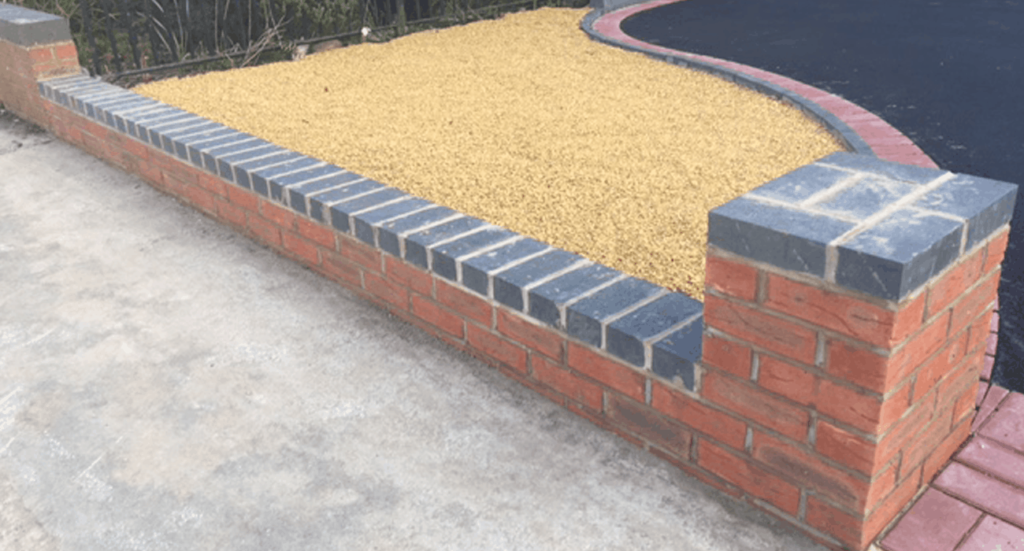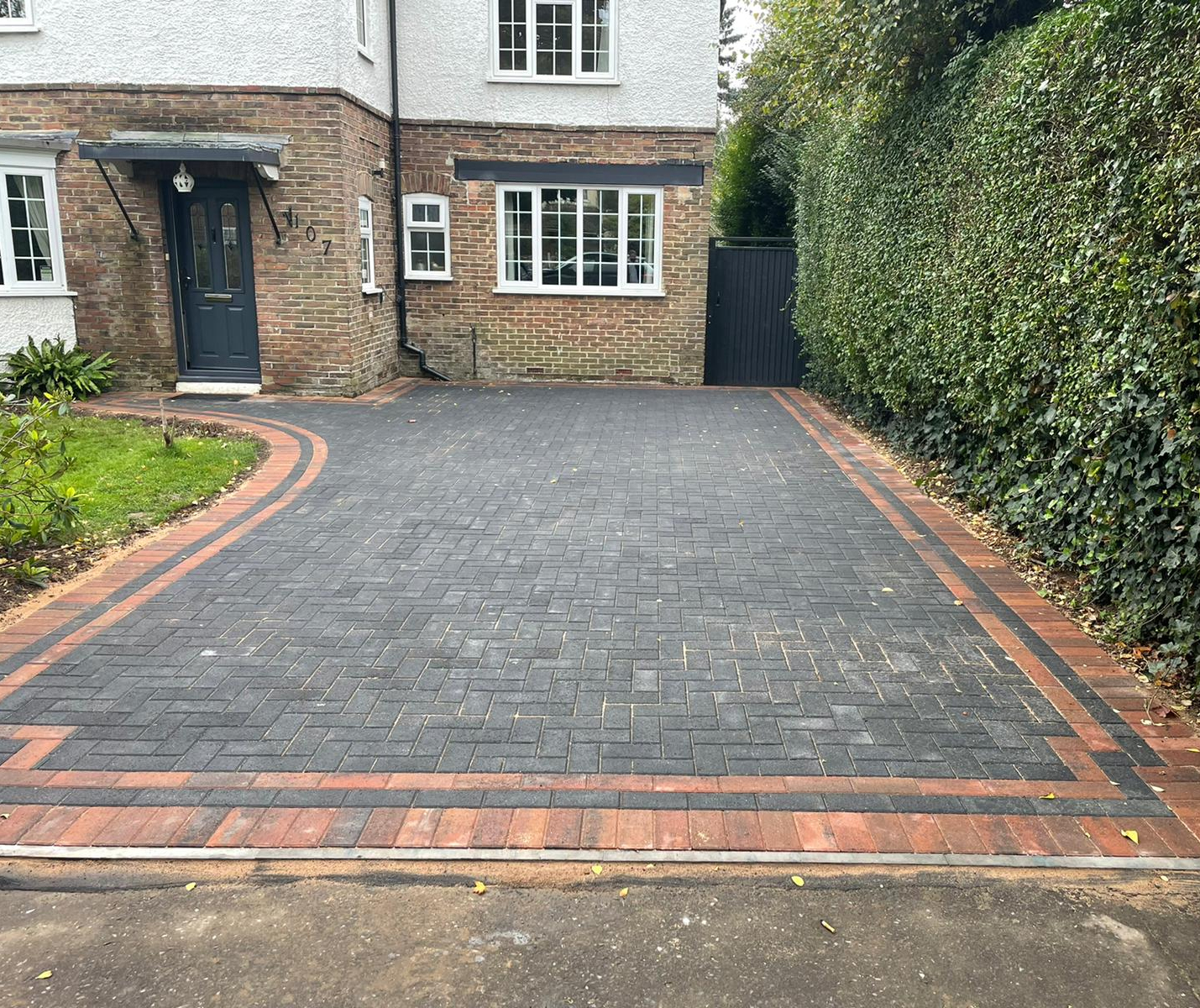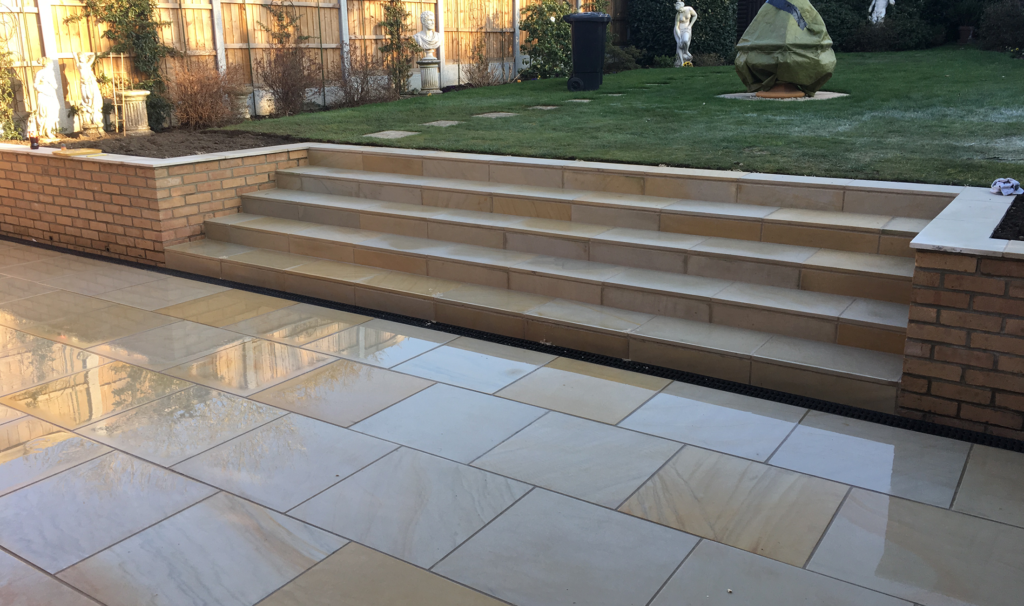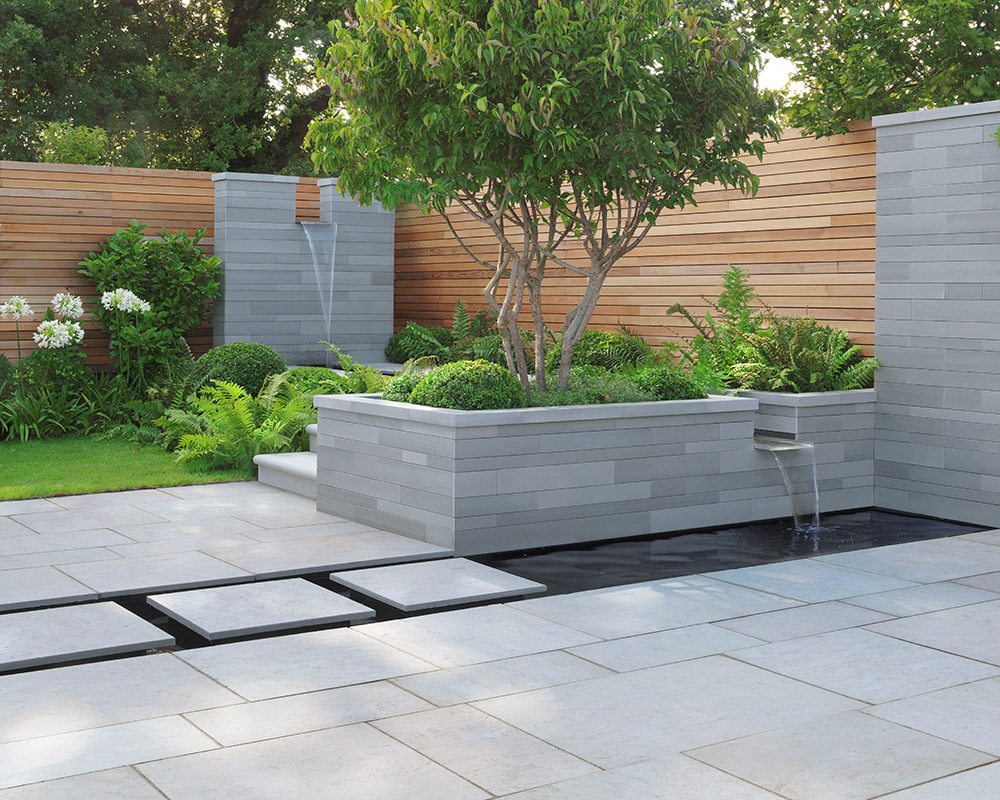
As the cold weather sets in across Sussex, your driveway and paving come under increased pressure from frost, ice, rainfall and fluctuating temperatures. Whether you’ve invested in a resin-bound surface, block paving, or a traditional gravel drive, it’s essential to protect your surfaces during winter to maintain their appearance, functionality and longevity.
At Gladstone Paving Sussex, we understand the impact winter can have on outdoor surfaces. That’s why we’ve put together this practical guide filled with useful maintenance tips to help homeowners across the region keep their driveways and paving in top condition throughout the colder months.
1. Keep It Clean and Clear of Debris
One of the simplest but most effective things you can do during winter is to regularly sweep your driveway and paving. Fallen leaves, moss, algae and general grime tend to build up faster in damp weather, leading to slippery surfaces and potential staining.
Leaving debris to rot can also encourage weed growth between joints in block paving or create pockets where moisture gets trapped and freezes. A good stiff broom, followed by a rinse with clean water on a mild day, can make a significant difference in preserving the finish of your driveway.
For resin-bound and resin-bonded driveways, gentle jet washing can help – but always follow your installer’s guidelines to avoid damaging the surface.
2. Check for Drainage Issues
Poor drainage is one of the leading causes of winter damage to driveways and paved surfaces. During heavy rainfall or snow, water needs to run off quickly and efficiently. If you notice pooling or slow drainage, this could lead to water freezing, expanding and causing cracks in the surface or damage to the sub-base.
Make sure gullies, channels, and drains are clear of leaves and blockages. If your driveway slopes towards your home, it’s even more important to ensure surface water is being directed away from your property.
If you spot any ongoing drainage issues, speak to a professional. At Gladstone Paving Sussex, we offer solutions such as linear drains and permeable paving systems designed to reduce the risks of standing water.
3. Deal with Weeds and Moss Before Frost Hits
Weeds might seem like more of a summer problem, but moss and algae thrive in the damp, shaded conditions typical of winter. Not only do they make surfaces slippery, but moss and weeds can also weaken jointing sand in block paving or take root in cracks, exacerbating any minor damage.
Apply a moss and algae treatment early in the season, especially in shaded areas that don’t get much sunlight. You can also manually remove any visible growth with a patio scraper or wire brush before applying a weed inhibitor to help prevent regrowth.
4. Avoid Using Rock Salt on Paving Surfaces
Many people instinctively reach for rock salt when frost or ice forms on the driveway. However, while it’s effective at melting ice, salt can damage certain types of paving – particularly natural stone and concrete block paving – by causing discolouration or accelerating surface wear.
Instead, consider using a non-corrosive de-icing product that’s safe for paving. Alternatively, play it safe and use sand or grit to improve traction without risking long-term damage.
If you’re unsure what de-icing method is safest for your specific surface, the team at Gladstone Paving Sussex will be happy to advise.
5. Inspect for Cracks and Address Them Early
Frost has a nasty habit of turning minor cracks into major problems. When water seeps into small gaps and then freezes, it expands – placing stress on the surface and increasing the size of the crack. Over time, this process (known as freeze-thaw action) can lead to more extensive damage.
Inspect your driveway and paving carefully before the worst of the winter weather arrives. If you notice any cracks or sinking areas, it’s wise to have them repaired before things get worse. Early intervention will always be more cost-effective than major repairs further down the line.
6. Avoid Parking Heavy Vehicles in the Same Spot
If your driveway is subject to regular vehicle use, try to vary your parking position from time to time during winter. Parking heavy vehicles in the exact same place every day can lead to compaction and stress on that area of the surface, particularly during freeze-thaw conditions when the ground becomes more vulnerable.
Rotating your parking area can help spread the load and reduce wear and tear over time – particularly for resin-bound and tarmac surfaces.
7. Schedule a Professional Winter Check-Up
Much like having your boiler serviced before winter, it can be worthwhile having your driveway assessed by a professional during the colder months. A quick check from a paving expert can identify drainage problems, surface deterioration, or shifting before these issues become costly.
At Gladstone Paving Sussex, we’re happy to provide advice on winter-proofing your paving and can offer professional maintenance services for homeowners across Sussex. From replacing jointing sand and sealing surfaces to correcting drainage or cleaning, we’re here to help you protect your investment.
Final Thoughts
Winter weather in Sussex can be unpredictable, but with the right maintenance plan, your driveway and paving can survive the season unscathed. Taking preventative steps like cleaning regularly, addressing minor issues early, and being cautious with de-icing products will help preserve the beauty and performance of your outdoor surfaces for years to come.
If you’re concerned about the condition of your driveway this winter – or simply want some expert guidance – contact the team at Gladstone Paving Sussex. We offer practical, honest advice and reliable solutions tailored to your needs.